Quick answer
No way of choosing numbers changes the odds of a fair draw — every combination is equally likely. But how you pick still matters in two ways. First, avoid crowded patterns such as birthdays (1–31), 1-2-3-4-5 or straight lines on the slip: they are just as likely to hit, but so many people play them that a win is more likely to be shared. Second, pick with a system and a budget, so playing stays fun and organized. A data-based picker such as Atlas AI handles both in three taps.
Start with the real odds
Before any strategy, it helps to know what you are playing. These are the official jackpot odds for the two biggest U.S. games:
| Game | How you pick | Jackpot odds | Any-prize odds |
|---|---|---|---|
| Powerball | 5 numbers from 1–69 + 1 Powerball from 1–26 | 1 in 292,201,338 | about 1 in 24.9 |
| Mega Millions | 5 numbers from 1–70 + 1 Mega Ball from 1–24 | 1 in 290,472,336 | about 1 in 23 |
Official odds per play as published by the games. Rules and prices can change; check your state lottery for current details.
Two things follow from those numbers. A jackpot is a long shot no matter how you choose, so the lottery belongs in your entertainment budget, not your financial plan. And because the odds are fixed, the parts you can control are the ones worth getting right: how much you share a win, and how you manage your play.
The birthday mistake
Birthdays, anniversaries and children’s ages are the most popular way to pick numbers. They feel personal — but they all fall between 1 and 31, and in Powerball the white balls go up to 69. A ticket built only from dates ignores more than half the field.
That does not make dates less likely to be drawn. The problem is company. When a draw is full of low numbers, lots of date players tend to match it, and the jackpot gets divided among more winners. Lottery operators and statisticians have pointed this out for years; the same applies to other popular patterns:
- Sequences like 1-2-3-4-5 or 10-20-30-40-50.
- Shapes on the play slip — straight lines, diagonals, crosses.
- Numbers printed everywhere, such as last week’s winners or “lucky” numbers from TV and movies.
A typical “birthday” ticket: just as likely as any other, but shared by many players.
6 simple rules for picking numbers more deliberately
- Use the whole fieldSpread your numbers across the full range, including numbers above 31.
- Skip obvious patternsNo sequences, no lines on the slip, no copying last week’s winners.
- Have a method you can repeatRandom terminal picks, a data-based picker, or your own rule — pick one approach and stick with it, so you are not second-guessing every ticket.
- Keep a recordSave the numbers you played and check them against the results. A record also stops you from forgetting a winning ticket.
- Set a budget before you playDecide a fixed weekly or monthly amount and never go above it, win or lose.
- Never chase lossesBuying more tickets after a loss does not “catch up” — each draw starts from zero.
The easiest way to do all six
Rules 1 to 4 are exactly what a good lottery app automates. With Atlas AI, you choose Powerball, Mega Millions or Cash4Life, tap Smart Pick, and get up to ten combinations built from the full number range and draw history since 1985 — not from the calendar. Your picks are saved and checked against the results in the same dashboard, next to frequency charts, hot and overdue numbers and the full draw archive.

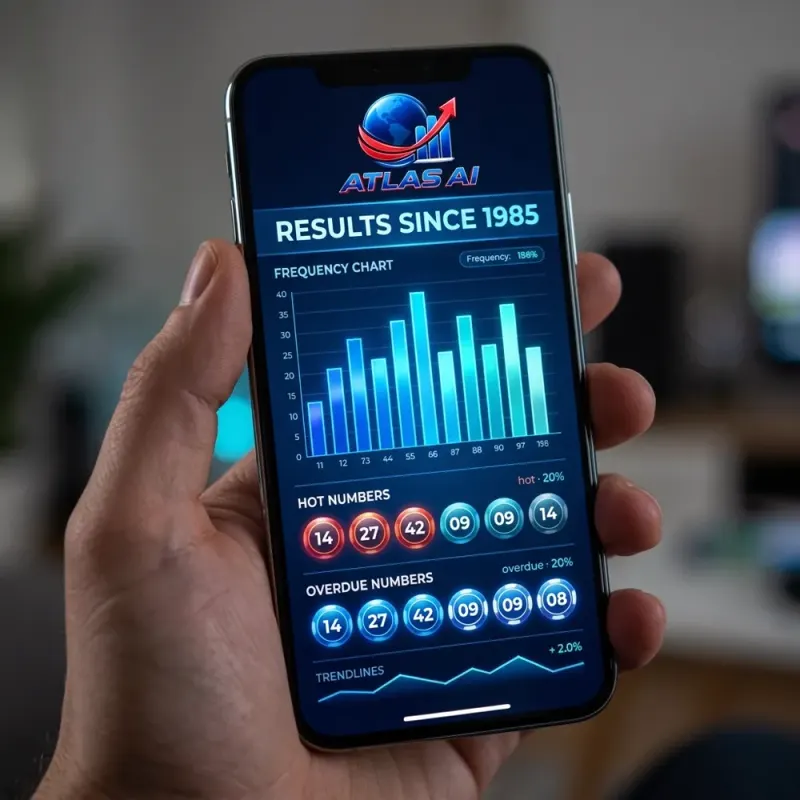
It is one payment of $197 with lifetime access and a 60-day money-back guarantee. Rules 5 and 6 are still up to you — no app can set your budget for you.
Frequently asked questions
Is there a best way to pick lottery numbers?
No method changes the odds of a fair draw; every combination has the same chance. A good method avoids crowded patterns, so a win is less likely to be split, and keeps your play organized and within budget.
Should I use birthdays as lottery numbers?
Birthdays are as likely to be drawn as any other numbers, but they limit you to 1 through 31 and millions of other players use them too. If a date-heavy combination wins, the jackpot is more likely to be shared.
What are the odds of winning the Powerball jackpot?
1 in 292,201,338 per play. The overall odds of winning any Powerball prize are about 1 in 24.87.